Voters face key legislative races in 2026
All 100 House seats and 25 Senate seats are on the ballot in Yellowstone County and statewide as parties prepare for the 2027 session.
By Brian Foster ·
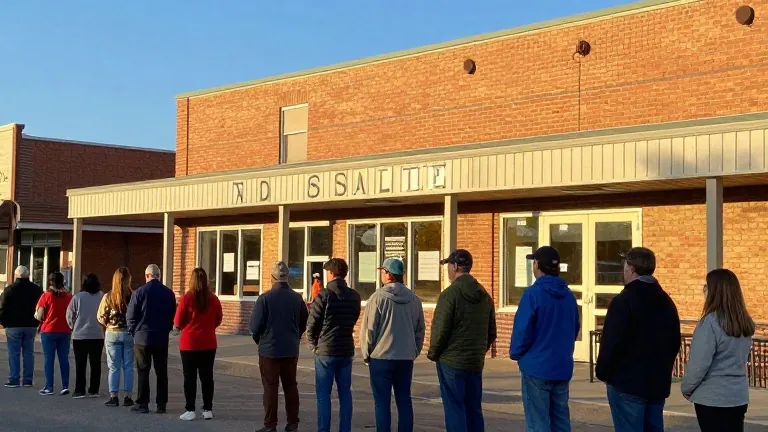
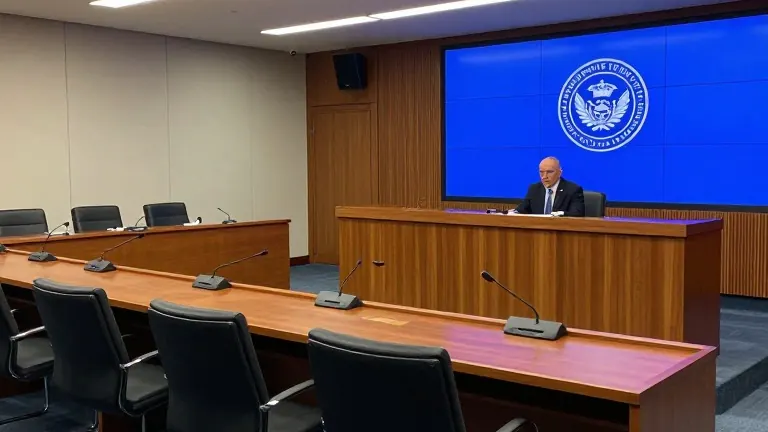
Montana voters will decide the composition of the state Legislature in November, with all 100 House seats and 25 Senate seats up for election. The outcome will set the balance of power for the 2027 legislative session, which begins in January.
Republicans have held majorities in both chambers for 15 years. In the 2025 session, the party controlled 58 of 100 House seats and 32 of 50 Senate seats. Democrats held 42 House seats and 18 Senate seats during that period.
Sen. Greg Hertz, a Republican from Polson, has chaired the Montana Republican Legislative Campaign Committee for three election cycles. He said the partisan balance was largely fixed by the redistricting commission in 2024.
“The reality is the partisan makeup of the Legislature was determined back in 2024 with the redistricting commission,” Hertz said. He noted that the new map left many seats safe for one party or the other. The committee is focusing on only eight to 12 districts, down from about 25 in previous cycles.
Hertz estimates that only one or two Senate seats and two to four House seats are competitive this year. He said the Republican messaging is split evenly between economic and cultural issues.
“Democrat legislators have never voted for tax reductions, and they're also continuing to push their agenda when it comes to social issues on the people in Montana,” Hertz said.
Ciara Maxwell, director of the Montana Democratic Legislative Campaign Committee, said Democrats are optimistic about holding their current seats and gaining a few more. She said the party is focusing on affordability and the cost of living.
“The folks that our candidates are talking to, they want to put food on the table and afford to live in the place where they work and have built a community and built their family,” Maxwell said. She added that voters are dissatisfied with the state and country, creating energy for change.
The most closely watched races include new Senate districts drawn under the 2024 map. In Senate District 42, which includes parts of Helena, East Helena, and the Helena Valley, Sen. Mary Ann Dunwell, a Democrat, is running against Republican Steve LaPraim. The district is now more Republican-leaning than Dunwell’s previous one.
In Senate District 29 in Park County, Republican Jason Gunderson is challenging Democrat Scott Rosenzweig. The district now includes more of Bozeman and less of Sweet Grass County, making it more favorable for Democrats. Both parties are also watching races in Billings and Great Falls.
For Democrats to gain a majority in either chamber, they would need to flip at least nine House seats or eight Senate seats. Republicans would need to flip ten Democratic seats to regain their two-thirds supermajority. That supermajority, held in 2023, allows a party to propose constitutional amendments or override a governor’s veto if its members vote as a block.
Maxwell said even small gains would help Democrats negotiate their priorities. She noted that splits among Republicans have helped Democrats achieve goals in recent sessions. “I think if we pick up more seats, we'll be able to negotiate a lot more of our priorities in some places,” she said. “It’s a lot easier to count to four or five or six Republicans to defect than it is when we were in a superminority.” Hertz said that unless the party gains a supermajority, a few seats changing hands will not significantly alter the legislative process, noting that coalitions will continue to form across party lines.
Source: KTVQ · original report published
More Politics · Billings news · Report a business · Got a Story?