Montana aims to triple local food consumption to 33%
State officials set a target to consume one-third of Montana-grown food by 2033, up from the current 3%.
By Brian Foster ·
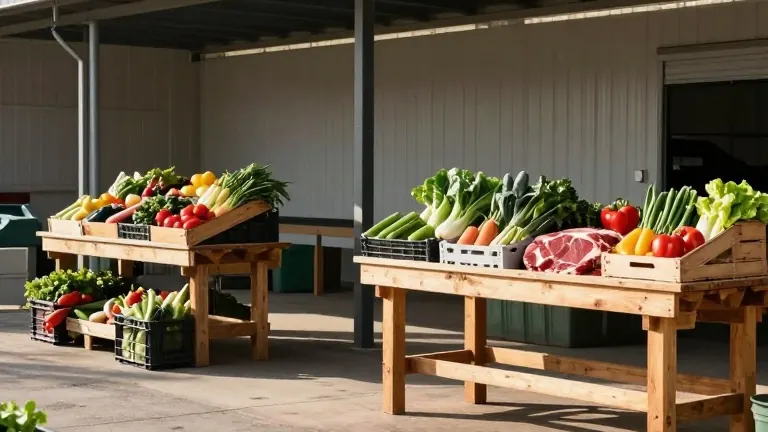
Montana agriculture leaders launched a new initiative called 33 by 33 to increase the amount of locally grown food consumed within the state. The program targets a specific metric: raising the share of Montana-grown food eaten in Montana from 3% to 33% by the year 2033. The effort addresses a disparity where the state produces large volumes of beef, grains, and seed oils, yet most of that output is shipped to other markets.
The 3% figure prompted a reaction from state leaders who viewed the current consumption rate as low for a major agricultural state. This topic dominated the agenda at the third Governor's Summit on Local Food and Agriculture. The summit brought together farmers, policymakers, and community leaders to discuss methods for placing more local produce on Montana tables.
According to reports from KTVH, the current system relies heavily on imports for grocery store shelves. Montana grows food, but much of it leaves the state. Consequently, residents often purchase goods produced outside of Montana borders. The 33 by 33 initiative seeks to reverse this flow by keeping a larger portion of the state's agricultural output local.
State officials argue that stronger markets for local producers benefit the entire economy. Farmers gain consistent buyers, while businesses and consumers access fresh products. The initiative aims to create a stable supply chain that connects producers directly to local demand sources.
A primary challenge for the program is reliability. Farmers require consistent buyers to justify production levels. Meanwhile, grocery stores, restaurants, and schools need a dependable supply of goods. Both sides must establish trust and consistent logistics for the market to function effectively.
Progress in local food distribution has already begun. The state has invested in meat processing facilities and farm-to-school programs. These investments support the infrastructure needed to move food from local farms to local institutions.
The next step is executing the seven-year plan to reach the 33% target. This requires coordinating supply chains to ensure that the food Montana grows stays in Montana. The initiative will rely on existing distribution networks and new partnerships to close the gap between production and consumption.
State leaders will continue to monitor the share of local food consumption as the year 2033 approaches. The goal remains to shift the market so that one-third of the food consumed in Montana is produced in Montana. This shift would keep a larger share of agricultural revenue within the state economy.
Source: KBUL · original report published
More Business · Billings news · Rip-Off Report · Report a business · Got a Story?