Fear and survival drive Palestinian citizens of Israel toward the ballot box
Palestinian citizens of Israel are expected to turn out in unusually high numbers on Tuesday, with many long-time boycotters saying safety and basic existence are at stake.
By News Media House Staff ·
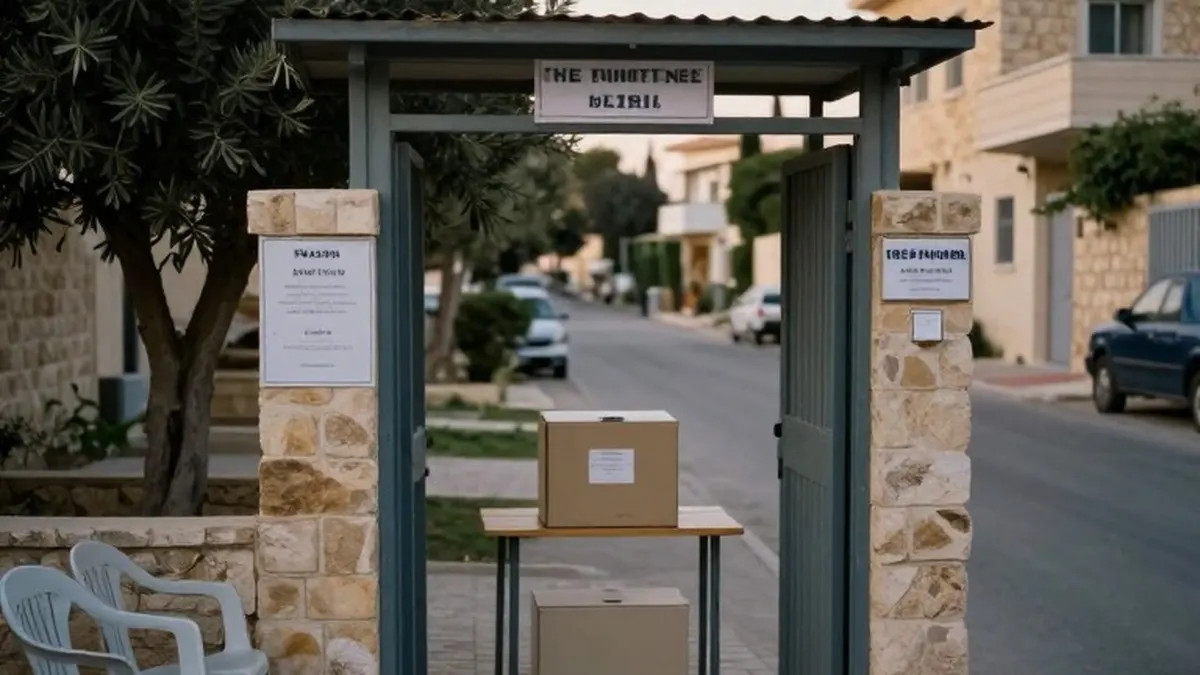
Ibrahim Said has not voted in an Israeli election since 1980. Over the decades, he says, parties came and went promising to defend his interests, even pledging to help recover the lands in al-Birwa, the town his family was displaced from during the 1948 Nakba. Nothing improved for Palestinian citizens of Israel, and the 70-year-old concluded that Israeli democracy had nothing to offer his community.
This year he plans to cast a ballot. "Without a doubt, we must vote this time. We are living in fear," he told Middle East Eye from his garage in the Galilee. Election day is Tuesday, four years after the last vote returned Benjamin Netanyahu to office and gave significant power to his allies Bezalel Smotrich and Itamar Ben Gvir.
Since then, the source article notes, Israel has waged a genocide in Gaza, while life in the occupied West Bank has been squeezed by shutdowns, economic pressure and increasingly frequent settler attacks. Inside Israel, Palestinian communities say organised crime has been allowed to flourish and discrimination has sharply worsened. Expressing concern for Palestinians in Gaza or the West Bank can lead to arrest, dismissal from work, or online and media hate campaigns. Three parties have made deportation and displacement of Palestinians central to their platforms, and Smotrich's Religious Zionism promises to "Judaise" the Galilee and the Negev, where hundreds of thousands of Palestinians live.
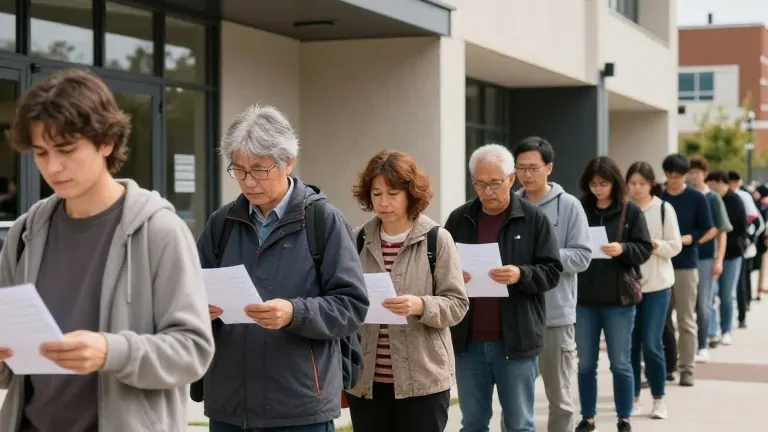
In 2022, only 54 percent of Palestinian citizens voted. Some polls and analysts now suggest turnout could reach 68 percent or more, which would give the Joint List and Raam, the parties traditionally representing the community, about 15 of the 120 Knesset seats, matching a record set in 2020. Ameer Fakhoury of the Vanleer Institute says turnout could even hit 72 or 73 percent. He argues that the motive is unusual: rather than showing faith in the system, voting reflects a lack of confidence in state institutions and an effort to back forces that might offer protection. "We are voting to prevent displacement and protect the most basic conditions of our existence," he said.
Not everyone has settled the question easily. Musician Jowan Safadi, popular across the Arab world, has always boycotted Israeli elections, arguing the state is not democratic. He notes that only the 2.1 million Palestinian citizens, about 20 percent of the official population, can vote in legislative elections, while Palestinians elsewhere under Israeli control cannot. He now says he may vote, hoping a change in leadership could bring someone "slightly less barbaric and sadistic," though he remains "deeply apprehensive." He says any vote would come despite the Arab parties' campaigns, not because of them, and credits Smotrich and Ben Gvir with mobilising Palestinian voters.
A Joint List source told the outlet the parties are spending far less than in previous campaigns because far-right rhetoric is already pushing voters to act. Hostility is not limited to the far right, however. Adham, a mechanic in northern Israel, attended an event for opposition leader Naftali Bennett, where a former Mossad official repeatedly assured the audience there would be no coalition with Arab parties. Adham called it unpleasant but thought positions might shift after the results.
Crime is a pressing concern for him. Last year there were 252 homicides in Palestinian communities in Israel, and 147 more in the first half of 2026, with police solving only 12 percent of this year's killings. Adham, a father of three, says he stays awake until his adult sons come home, and he will back Mansour Abbas's Raam, which is fielding Yoav Segalovich, a former police major-general known for fighting crime in Arab communities.
The unease extends beyond crime. Maha Mohammed, a teacher in Umm al-Fahm, says she feels afraid even in her hometown of Jaffa, particularly as a woman who wears the hijab. She says local women want safety for themselves, their families and their community. "We are voting to affirm that we exist, that we are here, and that our presence in this country matters," she said.
Originally published by News Media House · Source: Middle East Eye